

Signs Of Tooth Decay
Do I Need a Filling? Clinical Signs of Tooth Decay Explained
Dental caries (tooth decay) remains one of the most prevalent chronic oral health conditions affecting children, adolescents and adults across Australia. Although highly preventable, untreated decay can progress silently and compromise both tooth structure and long-term oral health.
Many patients who require dental fillings in Townsville report little to no discomfort during the early stages. Recognising the clinical indicators of decay allows for earlier intervention, more conservative treatment and improved outcomes.
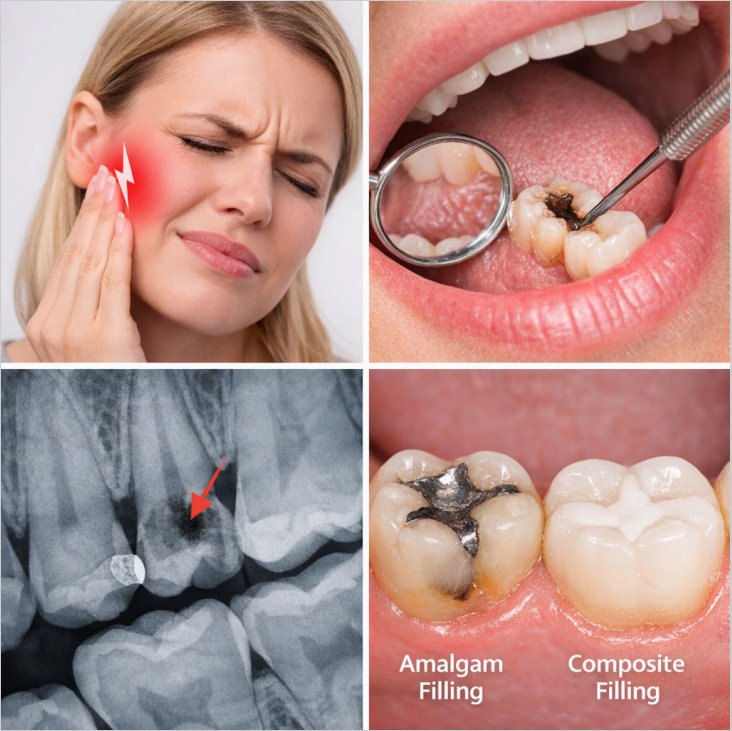
This article outlines the key signs dentists assess when determining whether a filling is necessary.
How Tooth Decay Develops
Tooth decay occurs when acid-producing bacteria within dental plaque metabolise dietary sugars. These acids gradually demineralise tooth enamel, weakening its structure.
The clinical progression typically follows this sequence:
- Enamel demineralisation
- Enamel cavitation
- Dentin involvement
- Pulp inflammation or infection
When identified early, treatment may involve a simple composite restoration. If left untreated, decay may advance and require more complex procedures.
Clinical Signs You May Require Dental Fillings in Townsville
Thermal Sensitivity
Sensitivity to hot, cold or sweet foods may indicate enamel erosion or dentin exposure. While occasional sensitivity is common, persistent or localised discomfort warrants professional assessment.
Early-stage lesions often respond well to conservative dental fillings Townsville patients commonly receive.
Pain on Biting or Chewing
Discomfort during mastication can indicate structural compromise. This may result from:
- Cavitation
- Microfractures
- Failing restorations
- Deepening decay
Restorative treatment helps stabilise the tooth and prevent further breakdown.
Visible Enamel Changes
Clinical indicators of decay may include:
- White chalky spots (early demineralisation)
- Brown or black discolouration
- Surface pitting
- Marginal staining around old fillings
Routine examinations at a qualified Townsville dental clinic allow these changes to be identified before symptoms escalate.
Interproximal Food Impaction
If food consistently becomes trapped between certain teeth, it may suggest enamel breakdown or decay between teeth. These lesions are often asymptomatic and best detected using diagnostic radiographs.
Persistent or Spontaneous Toothache
Ongoing pain may indicate pulpal involvement. At this stage, treatment may require more than a simple filling. Prompt cavity treatment in Townsville significantly reduces the risk of infection and advanced restorative procedures.
Consequences of Delayed Treatment
Untreated dental caries do not resolve independently. Without intervention, decay may progress and result in:
- Pulpitis
- Dental abscess
- Periapical infection
- Structural tooth fracture
- Tooth loss
From a clinical standpoint, early restoration is significantly less invasive and more predictable than late-stage intervention.
Modern Composite Restorations – A Conservative Approach
Contemporary restorative dentistry prioritises minimally invasive techniques.
The composite materials used in dental fillings in Townsville provide:
- Adhesive bonding to enamel and dentin
- Preservation of healthy tooth structure
- Improved marginal seal
- Reduced fracture risk
- Aesthetic integration with natural dentition
- Mercury-free composition
Unlike traditional amalgam, composite restorations chemically bond to the tooth, reinforcing remaining structure rather than relying solely on mechanical retention.
The Diagnostic Process at a Townsville Dental Clinic
Assessment for restorative treatment typically includes:
- Comprehensive visual examination
- Tactile evaluation of enamel integrity
- Digital bitewing radiographs where indicated
- Assessment of existing restorations
- Occlusal (bite) analysis
Treatment recommendations are based on lesion depth, structural stability and individual caries risk factors.
Preventative Considerations
Caries risk is influenced by several factors, including:
- High sugar intake
- Reduced salivary flow
- Inadequate oral hygiene
- Orthodontic appliances
- Previous history of frequent restorations
Preventative strategies include:
- Regular fluoride exposure
- Professional dental cleans
- Dietary modification
- Six-monthly examinations
Early detection remains the most effective way to minimise restorative treatment.
When Should You Seek Professional Evaluation?
Persistent Sensitivity
Ongoing thermal sensitivity should be clinically assessed to rule out enamel breakdown.
Localised Chewing Discomfort
Pain when biting may indicate structural compromise requiring restoration.
Visible Tooth Changes
Discolouration, cracks or surface irregularities warrant professional examination.
Routine Check-Up Overdue
Even in the absence of symptoms, routine assessments are essential. Many individuals requiring dental fillings Townsville dentists provide were unaware decay was present prior to examination.
Conclusion
Dental decay is progressive but highly manageable when detected early. Modern composite restorations offer a predictable, conservative solution that restores strength, function and aesthetics.
If you have concerns regarding possible tooth decay, timely assessment at an experienced Townsville dental clinic can help preserve long-term oral health and prevent avoidable complications.
Latest Posts

 Call US Now


