

10 Signs You Need A Dental Checkup
Your oral health plays a vital role in your overall wellbeing. While many people only visit the dentist when they experience pain, regular dental checkups are essential for preventing serious dental problems before they develop.
Dentists recommend having a professional dental examination at least every six months, but certain symptoms may indicate that you should schedule an appointment sooner.
If you notice any of the following signs, it may be time to book a dental checkup with a qualified dentist.
1. Persistent Tooth Pain
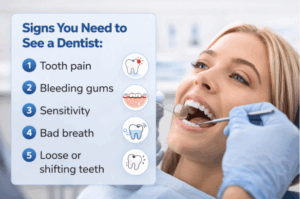
Tooth pain is one of the most common signs that something may be wrong with your oral health.
Pain can occur due to several reasons, including:
- Tooth decay (cavities)
- Cracked or fractured teeth
- Infections
- Exposed tooth nerves
- Gum disease
Even mild discomfort should not be ignored. Tooth pain rarely resolves on its own and can worsen if left untreated.
A dental examination can identify the root cause and prevent more serious complications, such as infections or tooth loss.
2. Bleeding Gums When Brushing or Flossing
Healthy gums should not bleed during daily brushing or flossing.
Bleeding gums can be an early warning sign of gingivitis, the initial stage of gum disease.
Common symptoms include:
- Red or swollen gums
- Tender gum tissue
- Bleeding during brushing
- Persistent bad breath
If untreated, gingivitis can progress into periodontitis, a more severe gum disease that may lead to tooth loss.
A professional dental cleaning and gum health assessment can help restore healthy gums.
3. Persistent Bad Breath (Halitosis)
Bad breath that does not improve with brushing, flossing, or mouthwash may indicate an underlying dental issue.
Possible causes include:
- Bacterial buildup on the tongue
- Gum infections
- Tooth decay
- Food particles trapped between teeth
- Dry mouth
A dentist can identify the source of chronic bad breath and recommend appropriate bad breath treatment.
4. Tooth Sensitivity
Do your teeth hurt when you drink hot coffee or cold beverages?
Tooth sensitivity can occur when the protective enamel wears down, exposing the underlying dentin.
Common causes include:
- Enamel erosion
- Gum recession
- Cracked teeth
- Tooth decay
- Teeth grinding
A dental professional can determine the exact cause and provide treatments such as desensitizing products or restorative procedures.
5. Loose or Shifting Teeth
Adult teeth should never feel loose.
If you notice teeth shifting, loosening, or changes in how your teeth fit together when biting, this could indicate:
- Advanced gum disease
- Bone loss around teeth
- Trauma or injury
- Infection
Early intervention can help prevent tooth loss and preserve your natural smile.
6. Dry Mouth
Saliva plays a critical role in protecting your teeth from harmful bacteria.
When saliva production decreases, it can increase the risk of:
- Tooth decay
- Gum disease
- Mouth infections
Dry mouth can occur due to medications, dehydration, or medical conditions.
A dentist can evaluate the cause and recommend treatments to improve saliva flow and protect your teeth.
7. White Spots or Dark Stains on Teeth
Changes in the color of your teeth can indicate early tooth decay.
Early warning signs include:
- White chalky spots
- Brown or black stains
- Visible holes in teeth
Cavities often develop gradually, and early detection allows dentists to treat them before they become severe.
Routine dental exams help identify these issues at an early stage.
8. Jaw Pain or Headaches
Frequent jaw discomfort or headaches may be related to dental problems.
Possible causes include:
- Teeth grinding (bruxism)
- Temporomandibular joint (TMJ) disorders
- Misaligned bite
Dentists can diagnose these conditions and recommend treatments such as mouthguards or bite adjustments.
9. Difficulty Chewing or Biting
If eating certain foods becomes uncomfortable or painful, this may signal dental damage.
Possible causes include:
- Cracked teeth
- Cavities
- Gum disease
- Misaligned bite
A dental examination can identify structural problems and restore proper function.
10. It Has Been More Than 6 Months Since Your Last Dental Visit
Even if you are not experiencing any symptoms, regular dental checkups remain essential.
Professional dental visits allow dentists to:
- Detect cavities early
- Identify gum disease
- Screen for oral cancer
- Remove plaque and tartar buildup
- Provide preventive advice
Preventive care is far more effective and less expensive than treating advanced dental problems.
Why Regular Dental Checkups Are Important
Routine dental checkups play a crucial role in maintaining long-term oral health.
Benefits include:
- Early detection of dental issues
- Professional teeth cleaning
- Prevention of gum disease
- Monitoring oral health changes
- Personalized dental advice
By addressing minor issues early, patients can avoid more complex treatments later.
How Often Should You Visit a Dentist?
Most dental professionals recommend visiting a dentist every six months for routine checkups and cleanings.
However, some patients may require more frequent visits, particularly if they have:
- Gum disease
- Diabetes
- Smoking habits
- High risk of tooth decay
Your dentist can recommend a schedule based on your individual oral health needs.
When to Book a Dental Appointment
If you experience any of the symptoms listed above, it is important to schedule a dental checkup as soon as possible.
Early diagnosis and treatment can prevent small dental issues from becoming serious health problems.
Book Your Dental Checkup in Townsville
Maintaining healthy teeth and gums starts with regular dental visits.
If you are experiencing any dental symptoms or simply need a routine examination, booking a professional dental checkup can help protect your long-term oral health.
Our experienced dental team provides comprehensive care to help patients maintain healthy smiles in a comfortable and supportive environment.
Latest Posts

June 8th, 2026
What Happens During a Root Canal? (Step-by-Step Guide from a Townsville Dentist)
Continue Reading
 Call US Now


